
Mike Tyson Jr.
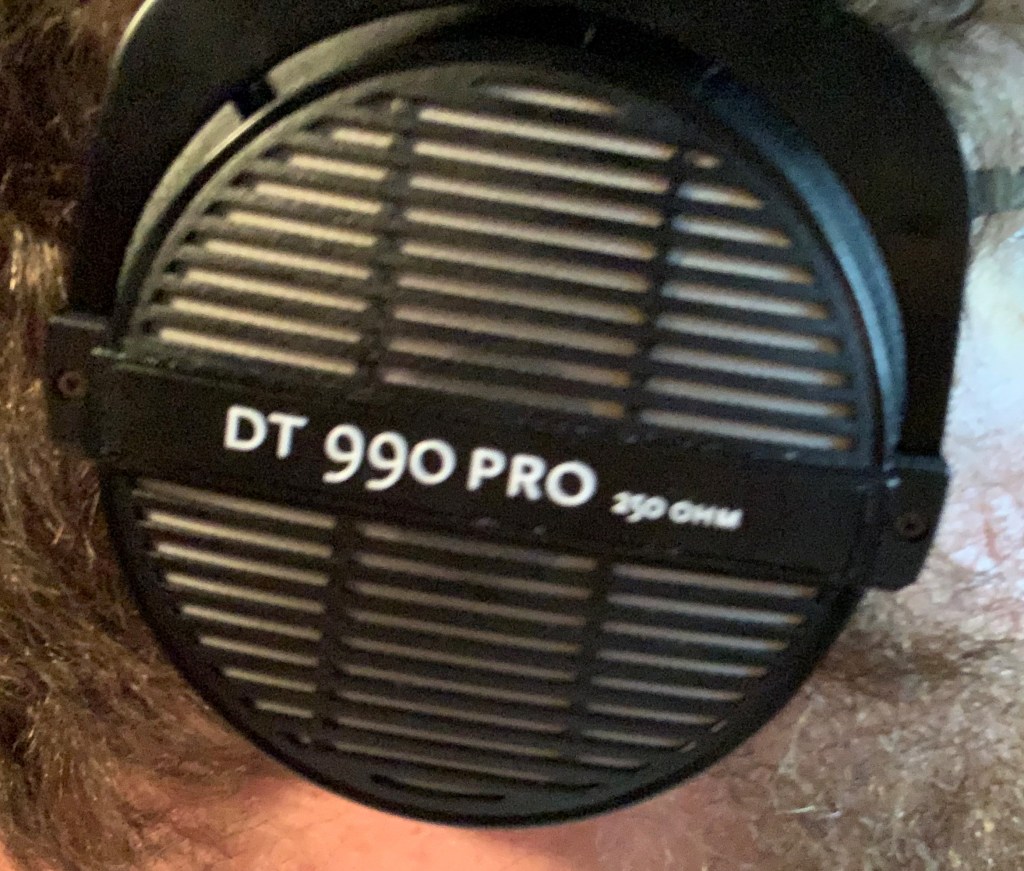
I was quite conflicted about doing another audio related (let alone headphone) review, but I feel that since I started the week with the 770’s, it could be poetic to end our maiden voyage week with their bigger brother, the DT990’s.
The biggest hurdle for running headphones is their ohm rating. Many headphones are in the 16-80 range and most of those have no issue running out of a phone or desktop computer. Some headphones fall in the high end monitoring range and are meant to be used directly in a mixer, some soaring over 300 ohm, up to even 600 (in the DT family of all headphones). Headphones in that range definitely need some sort of amp to power them. My 770’s are 80 ohm, which is the middle tier above their 32 ohm offering and far below their 250 ohm version available in the Pro model (880’s and 990’s have the oddly named “edition” model that offers that wild 600 ohm version).
My headphone journey absolutely hit the ground running when I got my pair of DT770’s for Christmas. When I was researching what headphones to get, I noticed I had a lot of options for gaming headphones. At the top of the list were the Phillips Fidelio 2XHR, Audio Technica ATH-AD700X, and then the Ron and Harry Potter of my collection, the DT 770 and 990. Of the group, I had my finger hovering over the Audio Technica’s buy button for the longest time. I thought I wanted tubby bass though and I was deceived that I would only find that in a closed back pair. So I finally got my 770’s.
Welcome to Tyler’s definition corner- You’re likely wondering what an open back is. So headphones typically come in two flavors: Open and closed back. Closed back are the most common in wireless headphones, gaming headsets, sound cancelling headphones, and a wide variety of common headphone brands like Beats, SkullCandy, or Sony. They are really good for keeping the world’s sound out and your sound in. Those with loud families or long commutes would want this type of headphone. They have more of a resonance due to the sound kind of bouncing around with nowhere to go except your ear hole.
Open back headphones have an open grill or mesh behind the headphone’s driver (essentially the speaker) that allows sounds in but more importantly, sound out. Instruments and battles alike sound like they’re coming from your room as opposed to the tighter sphere of sound that closed backs offer. When Affirmation by George Benson (the live version) sneaks into my playlist with open backs, the initial rim click on the snare sounds like someone snapping a twig precisely in my doorway, while in closed backs it just comes from the right side of my head.
When I got my 770’s, I suddenly wanted more. Now don’t get me wrong, I loved them and they still have a spot in my lineup today. For music, they were fantastic, but for gaming I lacked the depth I felt that I was promised. My friend was getting into the headphone game as well (with the Fidelios) and praised the world of open backs. I realized all fears of getting an open back pair were now flipped on their heads. 80 ohms was more than enough for my motherboard, but at Fidelio-Friend’s suggestion, I got myself an ifi Zen Dac for a little more gusto.
The 770’s were a slap fest with this added power (it has a built in amp), but I needed more. Not much later, I ordered the Zen Can, a standalone amp with a ton more power. This amp really was a little much for the little 770’s, overly warming up the low end (its the perfect amp for a pair of Sennheiser’s for that exact reason) even on its lowest setting. So I dropped the hammer and got the 250 ohm 990’s.
The New Baseline
Sound signature-
Picture a little Mike Tyson and your eardrums are his punching bag. With many headphones, you can feel a rumble in the low end. With these, you feel that rumble of course, but it starts a hair earlier with the punch. You feel the pedal hitting the bass drum head. Every bass note asks your ear hairs for a dance. That’s attainable in plenty of headphones though, but what’s not is the high end punch. Many headphones trade off high ends (something like a Grado) for fat low ends but these guys impossibly do both.
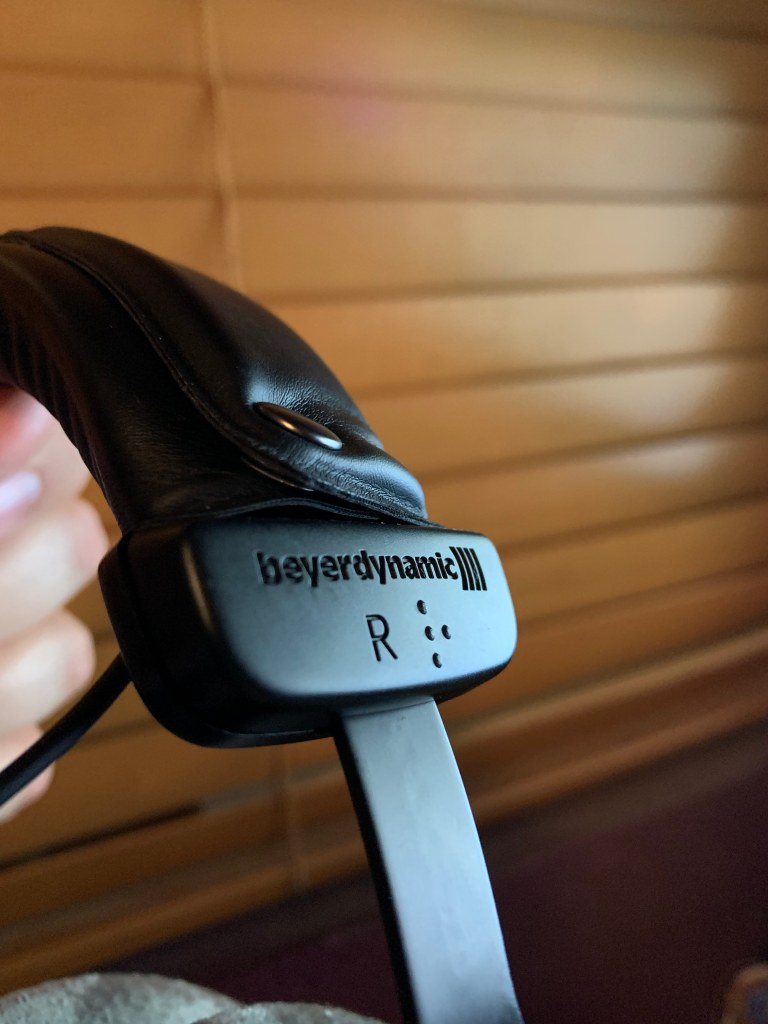
Some say that they are too much. Legends say that the 990’s can make your ears bleed. To me they’re absolutely spot on. I was in band for years. You feel the snare hits and the bass drum kicks in your bones. It can be considered tiring for some, but I can last a full day with these on.
These have what’s described as a Deep V sound signature- slapping bass, illegally high treble. Yet the mid doesn’t get lost like it does in the 770’s or Fidelios. Voices still have their own cubby that they fit in neatly along with the other instruments. The sound is very sterile. In my 770 review, I talk about the 990’s being a medical school’s auditorium. They are very in line with that serious style Germans are known for. While the fun comes from blending and warmth in many other headphones, these absolutely shine in a Rammstein-esque industrial sense. The most explosive dynamics peppered over an almost cold landscape. Orchestral arrangements are a little cold, but otherwise any other instrumental forward genre really pop.
Sound Quality-
Quality wise, they are on par with the 770’s. They are the same drivers as the 770’s but tuned very different. The sound is very compartmentalized. In the Fidelio’s (and the 770’s to a lesser extent), the deep bass resonated up in the mid area, mudding up the sounds that live in that area. With the 990’s, bass is totally separate from any other instrument. Every instrument exists exactly where it should. This could be a plus for those who like to analyze each any every crevice of a song but could bother those who want a cohesive piece. You can put a lot of sound behind these headphones with little to no distortion.
A headphone like the Sennheiser 6xx or Hifiman 400i may be even a bit more clear, but the out-of-this-world dynamics are what keep me coming back.
Build Quality-
These are built and styled pretty much the same as the 770’s, albeit with a mesh earcup instead of the solid plastic on the closed back 770. The headband is the same impossibly resilient padding and they have the same supple velour ear pads. The only difference is that these feel like they are one width click smaller than the 770’s, so after a while I do find myself pulling down on them just a touch.
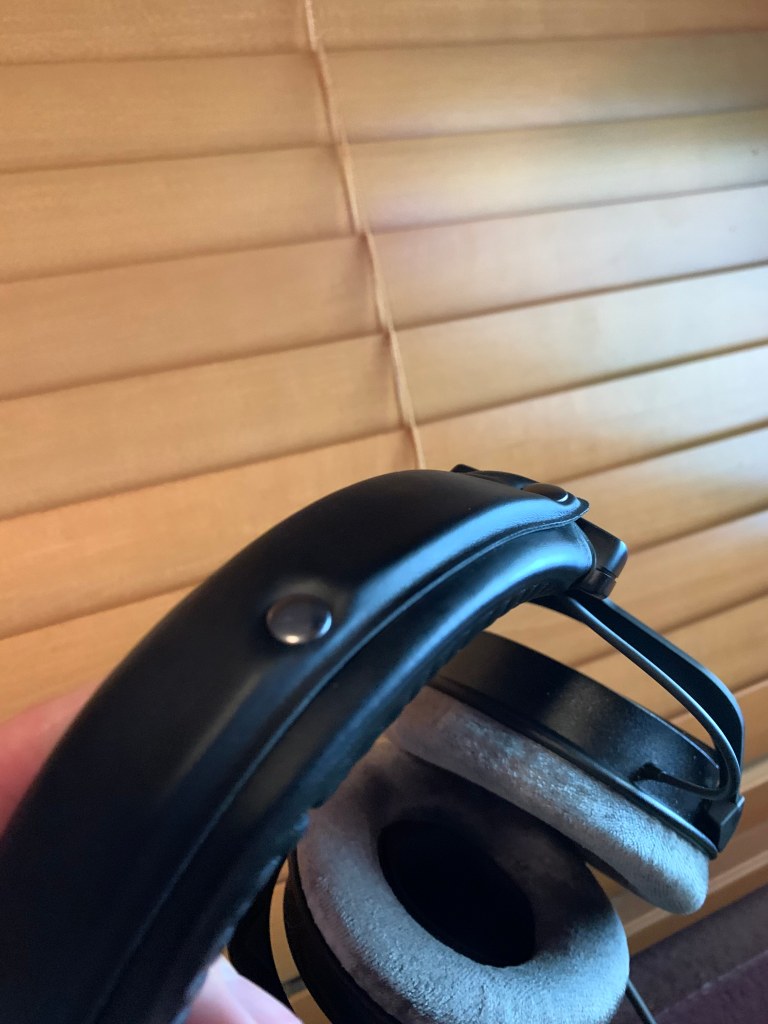
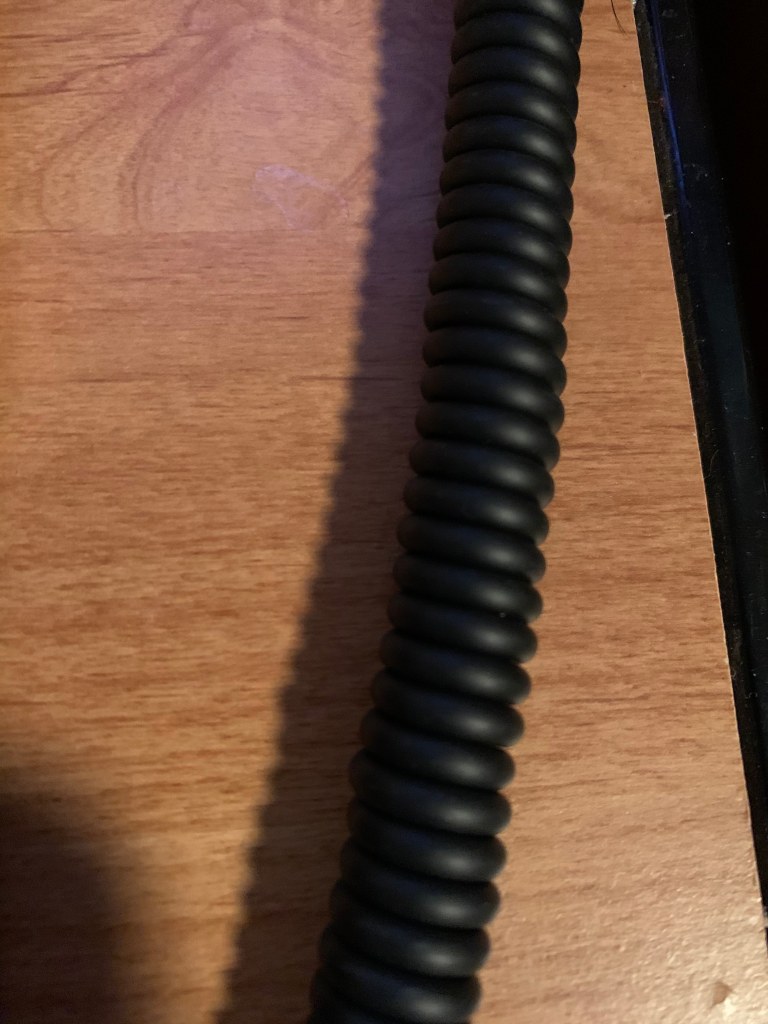
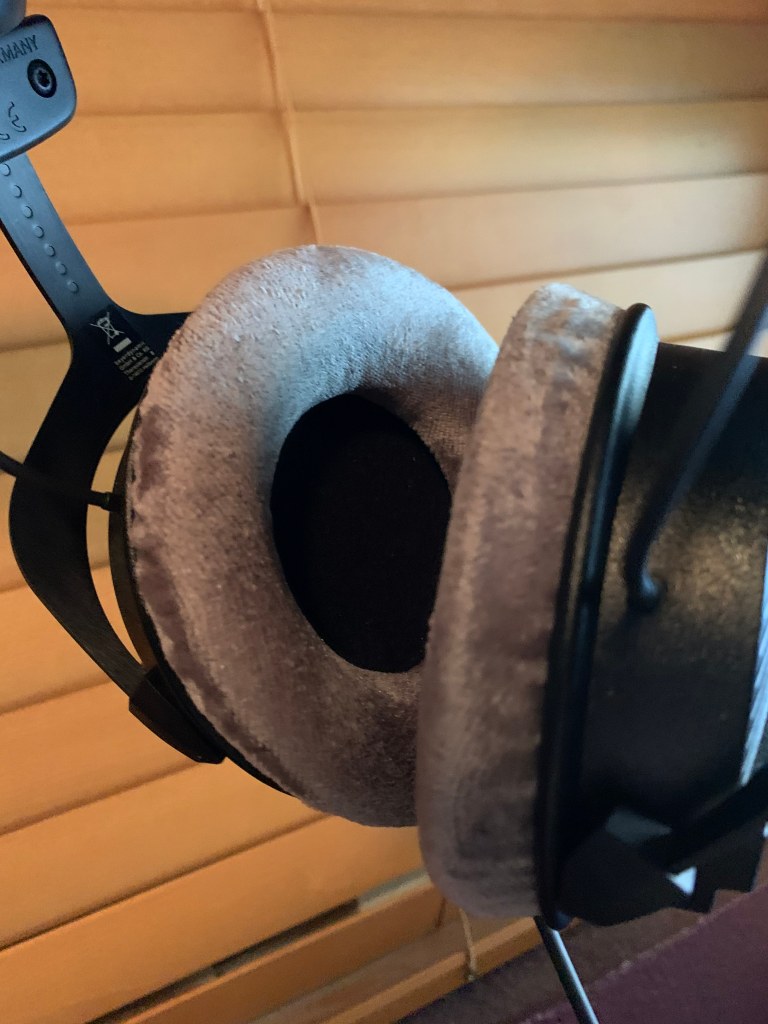
Instead of the lengthy 10 foot cable on the 770, these have a much shorter curled cable that is the ideal length from amp to my ear. All of the plastics are textured well an the metals are beyond sturdy.
The Final Verdict-

Should you get these? Probably. They fit exactly what I want in a pair of headphones, but everyone is different. In 250 ohm form, they do take more than just what a computer or Zen Dac alone can provide to get the full soundstage. Without an amp, you lose some of the punch and power that really makes these shine. Even the Zen Dac along with its built in amp lacks some of the nuance that the Can brings, in addition to two higher levels of ear shattering power.
I love these and I reach for them more than any other in my collection. The dynamic levels have ruined me to some extent because I find other headphones lacking. If you are building up a collection, aim for a wide selection of styles. To balance the intensity of these, I also have the 6xx’s for an intimate room sized concert and the 400i’s to go over each note with a fine tooth comb (they also handle electronica pretty well). But if I had to go back and only land on one, these would be the pair. They are not a headphone for everyone, but they are a great all rounder for those that want one pair for everything.
 Goose Reviews Everything